

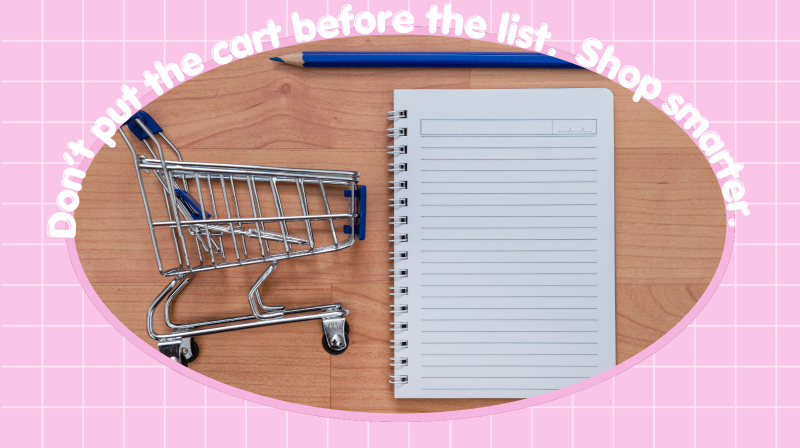
Have you ever gone to the grocery store for milk and somehow come home with three bags of groceries, a candle that smelled like a tropical vacation, two boxes of cookies you didn't need, and absolutely no milk?
No? Just me?
Let's be honest. Grocery stores are masters of temptation. They know exactly what they're doing. They put the bakery near the entrance so you're greeted by the smell of fresh bread. They strategically place displays of things you weren't even thinking about buying. And don't get me started on those "Buy One, Get One Free" signs that somehow convince us we're saving money while simultaneously spending money.
My mother-in-law was the undisputed queen of this shopping strategy. If it was on sale, it was coming home with her. Didn't matter if she needed it. Didn't matter if she'd ever used it before. Didn't matter if it required ingredients she didn't own, cookware she didn't have, or culinary skills she had no intention of developing. If it was on sale, it was practically free. At least that's how the logic worked.
The result?
A pantry that looked like a small grocery store and enough food tucked away in cabinets to survive a minor apocalypse. The unfortunate part was that a lot of it eventually expired and ended up in the trash.
And that's where many of us find ourselves today. We buy food with good intentions. We just don't buy it with a plan.
The Great Grocery Store Fantasy
Most grocery shopping mistakes start with what I call the Grocery Store Fantasy. You know the one. You buy ingredients because you're suddenly convinced you're going to morph into a culinary wizard.
Picture this. You're standing in aisle seven. You see quinoa, kale, exotic spices, and ingredients for a recipe you saw on social media six months ago. Suddenly you're imagining yourself preparing gourmet meals every evening while classical music plays softly in the background.
Then Tuesday arrives. You're tired. The dog needs to go out. The kids are hungry and whining, "When's dinner?". The laundry is staring at you judgmentally. The next thing you know, you're grabbing your phone and ordering a pizza...again.
Those gourmet ingredients you spent more money on than you should have? Well, they're sitting quietly in the refrigerator or on pantry shelf until they begin their slow transformation into science experiments.
Why a Weekly Menu Changes Everything
A weekly dinner menu doesn't have to be fancy. You don't need color-coded spreadsheets. You don't need a three-ring binder. You don't need a master's degree in meal planning. You simply need a piece of paper and about ten minutes. Before you shop, decide: What will we eat for dinner this week? What do I already have? What do I need to buy?
That's it.
When you know what you're cooking, every item in your cart has a purpose. Instead of wandering the aisles wondering what sounds good and randomly tossing things into your shopping cart, you're shopping with a mission. And missions are cheaper.
Start With Your Calendar
One of the biggest mistakes people make is planning meals without considering real life. Look at your week. Do you have appointments? Ball games? Church activities? Late workdays? A dinner requiring two hours of preparation probably isn't the best choice for the day you're running in six different directions.
Your week's menu may look something like this: Maybe Monday is taco night. Tuesday is leftovers. Wednesday is crockpot day. Thursday is breakfast for dinner. Friday is pizza night.
Simple works. In fact, simple usually works better.
Let's Talk About Breakfast and Lunch
Dinner gets all the attention, but breakfast and lunch can quietly drain your budget too. How many times have you heard, "There's nothing to eat." Meanwhile, the refrigerator is packed and the pantry resembles a warehouse. Children somehow possess a special talent for opening a full refrigerator and declaring it empty. Adults aren't much better. Planning breakfast and lunch helps prevent those emergency trips to the store where you go in for sandwich meat and emerge $87 poorer.
Think simple.
Breakfast:
- Eggs
- Yogurt
- Fruit
- Toast
- Oatmeal
- Protein shakes
Lunch:
- Sandwiches
- Salads
- Leftovers
- Soup
- Wraps
Nothing complicated.
Side note: skip those pre-package lunch meals you find in the deli section. You'll save yourself some money if you buy the ingredients and make those yourself. You can even find a reusable container that has individual sections. Grab a cute insulated lunch tote and a coolie pack and you're good to go.
The goal here isn't perfection. The goal is avoiding daily panic.
Sales Are Great...If You'll Actually Use the Item
Now let's discuss sales. I love a good sale. Who doesn't? The problem isn't the sale. The problem is convincing ourselves that we're saving money by purchasing things we weren't planning to buy.
Buying six jars of artichoke hearts because they're 50% off isn't saving money if nobody in your house eats artichoke hearts. That's called funding future garbage.
Instead, check the weekly sales ad before making your menu. If chicken is on sale, plan chicken meals. If ground beef is discounted, build meals around ground beef. If pasta sauce is on sale, maybe spaghetti makes an appearance this week.
Let the sales influence the menu.
The Pantry Audit Nobody Wants to Do
Here's a challenge. Before your next grocery trip, spend ten minutes looking through your pantry, freezer, and refrigerator.
I know...I know. There are things back there that haven't seen daylight since the last presidential election. But do it anyway. You may discover:
- Three open boxes of crackers most of which have likely gone stale.
- Four bottles of barbecue sauce.
- Two jars of pickles.
- Frozen vegetables you've forgotten existed and probably have freezer burn.
- Mystery items whose expiration dates have turned them into archaeological artifacts.
Use what you already have. Your pantry is not a museum.
Convenience Foods Aren't Always Convenient
Let's talk about convenience foods. They absolutely have their place because sometimes life gets busy. Unfortunately, many convenience foods cost significantly more than their homemade counterparts.
Wait. I know what you're thinking. "Buying all of the ingredients costs more than the boxed item." Well...yes and no. The initial expense does seem to be more, BUT you'll use those ingredients multiple times to make a number of things. So it's really a spend once use several times scenario. When you calculate how many items you can make with one four pound bag of flour, for example, it's pennies per item.
And while we're at it, flip the package over occasionally. Read the ingredient list. If the ingredients sound like they belong in a chemistry lab rather than a kitchen, you may want to reconsider how often that item finds its way into your cart.
Again, this isn't about perfection. It's about awareness.
The Real Goal
The goal isn't becoming the world's greatest meal planner. The goal isn't eliminating every snack food. The goal isn't surviving on beans and rice.
The goal is reducing waste, spending less, eating better, and making life a little easier. Because every dollar spent on food that ends up in the trash is a dollar that could have gone toward something else. A vacation. Paying down debt. Building savings. Or even a really good cup of coffee, and around here, we can definitely support that.
So before your next grocery trip, grab a piece of paper and make a simple plan. Your wallet will thank you. Your pantry will thank you. And somewhere, hidden in the back of a cabinet, that expired box of crackers from 2022 will finally get the closure it deserves.
Coffee on. Chaos Managed. ☕


Add comment
Comments