

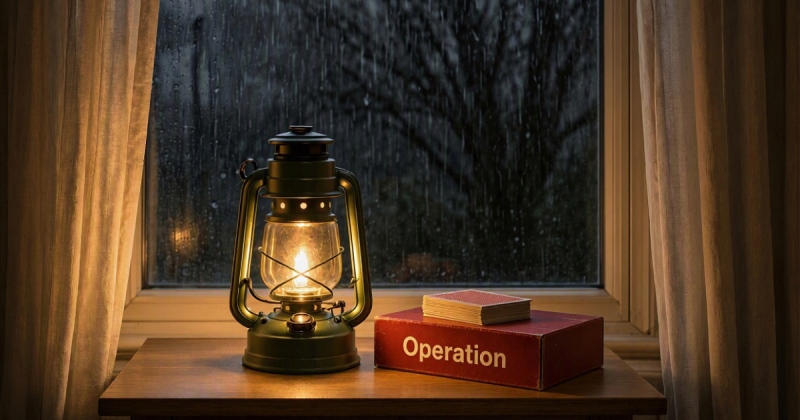
Coffee on. Chaos managed. Wait… how exactly are we making coffee without electricity?
There's nothing quite like a power outage to remind you how much of your life depends on a little electricity flowing through some wires. One minute, you're living your perfectly ordinary modern life, scrolling through your phone, watching television, running the dishwasher, and enjoying the air conditioning. The next minute, everything goes dark, the house gets suspiciously quiet, and you're standing in the middle of the living room wondering what in the world you're supposed to do now.
And if the power stays out for hours? Or a day? Or several days?
Well, buckle up, buttercup. You're about to discover just how many things in your life require electricity, how dependent you've become on the internet, and whether you actually remember how to entertain yourself without a screen.
Welcome to the unexpected camping trip you didn't sign up for, courtesy of Mother Nature and whatever mischief she's been up to lately.
The Great Electricity Awakening
Most of us don't give electricity much thought until we don't have it. We flip a switch, expect a light. We push a button, expect the microwave to heat our leftovers. We turn the thermostat down, and we expect the air conditioner to rescue us from the summer heat and humidity before we melt into the furniture.
It's a beautiful arrangement. We don't appreciate it nearly enough.
Then the power goes out, and suddenly every room in the house becomes a scavenger hunt for flashlights. The refrigerator starts looking less like an appliance and more like a ticking time bomb. The television is useless, the Wi-Fi router is taking an unscheduled nap, and your phone battery has suddenly become more precious than a winning lottery ticket.
You might even discover that your garage door opener doesn't work without electricity. Now you're standing in the garage, staring at the car you can't get out, wondering whether you should have paid more attention when somebody explained that little emergency release handle.
And don't forget the internet. Oh, the internet!
For many of us, the internet is our newspaper, library, entertainment center, shopping mall, communication system, recipe book, weather station, and source of answers to questions we never knew we had. We use it so much that we barely notice it's there—until the router lights go dark and our phones announce that there's no connection.
Suddenly, we can't check Facebook, watch YouTube, look up a recipe, or find out what everybody else is doing. Heaven forbid we have to sit quietly with our own thoughts for an extended period. We might actually have to become acquainted with ourselves!
The real shock isn't always the inconvenience. It's discovering how many of our everyday routines depend on something we rarely think about.
First Things First: Let's Keep Our Sanity and Our Food
When the power goes out for an extended period, your first priority probably isn't finding something entertaining to do. It's figuring out how to keep your household comfortable, fed, and safe.
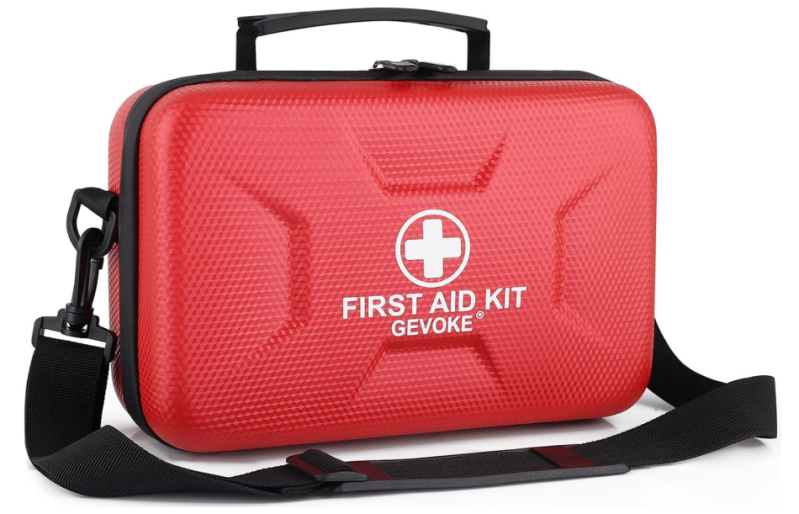
Start by gathering your essentials in one place. Flashlights, extra batteries, a battery-powered lantern, drinking water, medications, and a first-aid kit should be easy to find without having to conduct an archaeological dig through the hall closet.
And here's a little suggestion: Keep those things together before an outage happens. The middle of a storm is a terrible time to discover that your only flashlight has been living in a drawer with three dead batteries and a collection of mysterious screws.
A few other things worth keeping on hand include a manual can opener, paper plates, disposable utensils, moist wipes, trash bags, and a supply of cash in small bills. Card readers and ATMs may not work during an outage, even if your bank account is perfectly healthy.
Water deserves special attention, too. Keep drinking water stored for emergencies, aiming for at least one gallon per person per day for drinking and basic sanitation, with more needed in hot weather or for certain medical needs. A few extra gallons tucked away can make a big difference when the taps become unreliable.
And please, if you're in a hot climate like Florida, remember that a house without air conditioning can become uncomfortable—and potentially dangerous—surprisingly quickly. Check on older neighbors, anyone with medical needs, and pets. If the heat becomes unsafe and if it's practical, seek an air-conditioned location or an emergency cooling center rather than trying to tough it out.
Now, let's talk about the two things that tend to concern people most: food and coffee.
The Refrigerator Is Not Your New Best Friend
When the power goes out, the refrigerator becomes a source of temptation. You open it to see what's inside, close it, and then five minutes later open it again, as though the contents might have magically changed.
Stop doing that!
A closed refrigerator generally keeps food safely cold for about four hours during a power outage. A full freezer can hold its temperature for approximately 48 hours, or 24 hours if it's half full, provided the doors stay closed. So resist the urge to check on your food every time you walk through the kitchen.
If an outage is likely to last a while, prioritize the food that needs refrigeration and use shelf-stable items for meals when possible. Don't assume food is safe simply because it smells fine. When in doubt, throw it out.
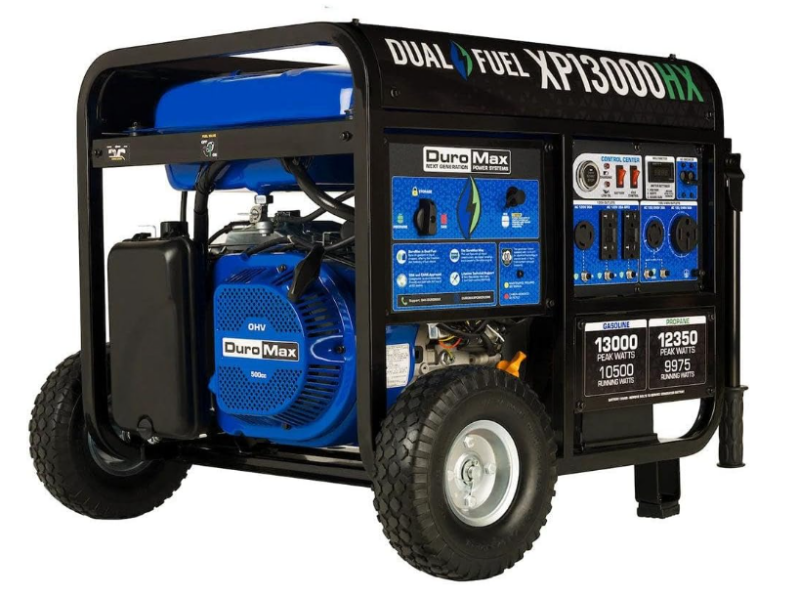
And speaking of shelf-stable food, this is where a little advance planning can save you from a diet consisting entirely of crackers and whatever you can pry out of the pantry.
A few things worth storing specifically for an outage:
-
Canned meat, chicken, tuna, salmon, and other proteins you actually enjoy eating.
-
Canned vegetables, beans, fruit, and ready-to-eat meals that don't require refrigeration.
-
Peanut butter or other shelf-stable spreads, nuts, jerky, and protein bars.
-
Shelf-stable milk or milk alternatives, instant coffee, tea, and other favorite beverages.
-
Crackers, tortillas, and other easy-to-eat staples.
-
Manual can openers, paper plates, and utensils.
Choose foods your household will genuinely eat, rotate them into your regular meals, and replace what you use. There's no point building an emergency pantry full of food nobody likes. A hurricane is stressful enough without discovering that your only dinner option is a can of something everyone has refused to eat since 1997.
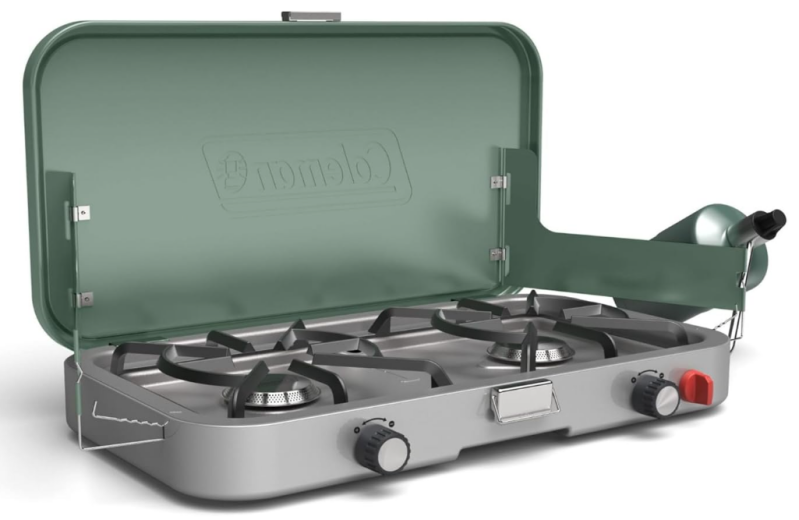
Cooking Without Turning Your Backyard Into a Restaurant
Here's where things get interesting. How do you prepare a meal when the stove won't work, the microwave is useless, and the air fryer has become an expensive countertop decoration?
First, consider what you can eat without cooking. Canned meats, nut butters, crackers, nuts, fruit, and ready-to-eat meals can keep everyone fed without firing up anything. You might be surprised how many perfectly decent meals can be assembled without a single electrical appliance.
But if you'd like something hot, it helps to have a backup cooking method.
A propane camping stove can be useful, provided it's designed for the intended use and operated according to its instructions. Portable fuel-burning stoves, charcoal grills, and generators must never be used indoors, in garages, or in other enclosed or partially enclosed spaces. They can produce deadly carbon monoxide. Use outdoor cooking equipment only outside, well away from doors, windows, and vents, and follow all manufacturer safety instructions. Never bring a hot grill indoors to cool.
If you have a gas stove, don't assume it's safe to operate during an outage. Some models require electricity for ignition or other functions. Check the manufacturer's instructions rather than improvising.
And here's another idea: Keep a small collection of outage-friendly recipes with your emergency supplies. Nothing fancy. Just a few meals you can make with the equipment and ingredients you actually have. Write them down or print them out. If your phone battery is dying and the internet is unavailable, Pinterest isn't going to come riding to the rescue on a white horse.
Your future hungry self will thank you for thinking ahead.
Entertainment: What Did People Do Before Wi-Fi?
This is where I think we might discover the most about ourselves.
When the power goes out, there's a good chance your television won't work, your internet connection will disappear, and your phone will become a glorified camera with a rapidly declining battery. If the outage lasts long enough, you may find yourself facing a truly shocking possibility: You have to entertain yourself.
Without an app.
Without streaming.
Without scrolling through a seemingly endless parade of videos featuring people doing things you never knew needed doing.
Whatever will we do?
Well, for starters, we could bring back some of the things people did before every waking moment was accompanied by a screen. Remember books? Actual books, with pages you turn using your hands? They're still around, and they don't need charging.
Board games and playing cards are excellent outage entertainment. A deck of cards takes up practically no room, costs very little, and can keep people occupied for hours. If you have family around, you might even discover that you enjoy each other's company when nobody is distracted by a device.
Keep a few crossword puzzles, word searches, coloring books, or activity books tucked away with your emergency supplies. Get a jigsaw puzzle going if you have a table and enough light. Pull out a craft project you've been meaning to finish. Tell stories, swap family memories, play charades, or challenge everyone to name as many songs, movies, or television shows as they can before somebody gets caught cheating.
And if you're on your own? Read, write, sketch, organize a drawer, work on a hobby, or simply sit outside and enjoy the evening when conditions are safe. You might discover that a little quiet is surprisingly pleasant once you get over the urge to check your phone every three minutes.
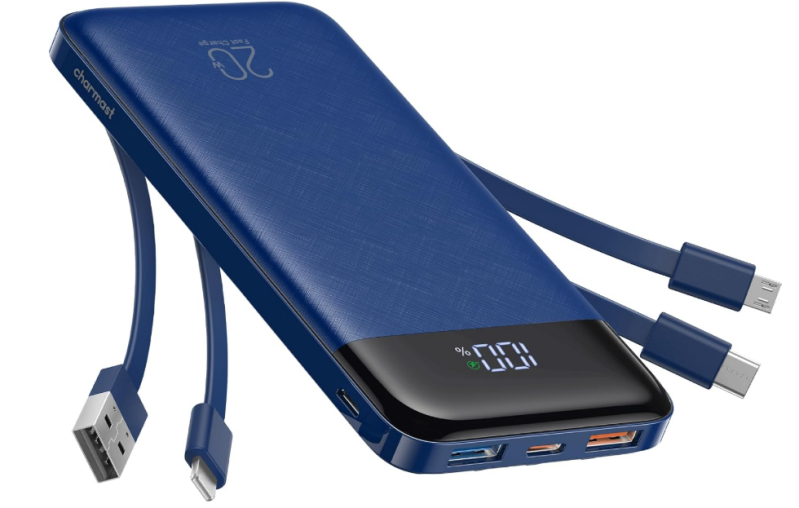
Of course, don't forget the practical side. Keep a battery-powered or hand-crank radio for emergency updates, and save your phone battery for essential communication. Download books, music, podcasts, maps, or other entertainment to your devices ahead of time so you have something available offline. A portable power bank, charged and stored with your supplies, can help extend your phone's usefulness.
Just remember that entertainment is wonderful, but staying informed during severe weather is important, too.
The Little Things You'll Be Glad You Stored
We all know the obvious emergency supplies, but some of the best preparations are the little things that make a difficult situation more manageable.
Here are a few things I'd tuck away in a dedicated outage box:
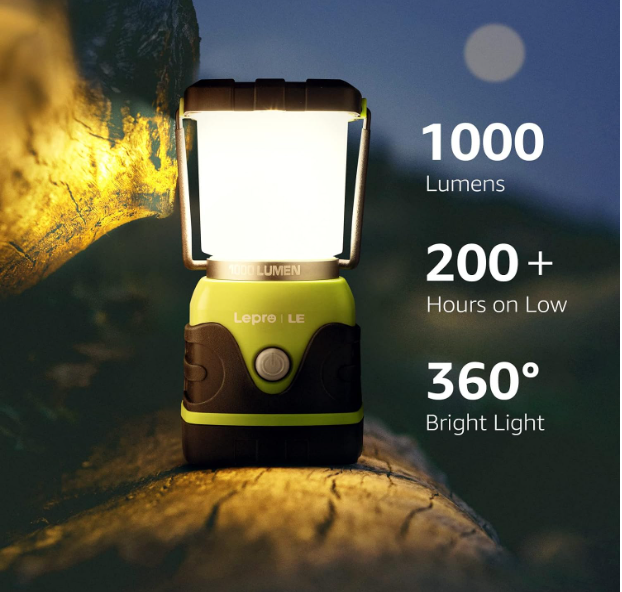
A battery-powered lantern. Flashlights are useful, but a lantern can illuminate an entire room while leaving your hands free. Much more pleasant than trying to cook dinner while holding a flashlight between your teeth.
A battery-operated fan. In a hot climate, moving air can make an uncomfortable situation more bearable, although it won't make dangerously hot conditions safe. Keep spare batteries or a charged rechargeable model ready to go.
A stash of instant coffee or your preferred coffee alternative. I feel this requires no further explanation. Some emergencies are bad enough without adding caffeine deprivation.
A deck of cards and a few games. These are inexpensive, reusable, and don't require a Wi-Fi password. What a concept!
A printed emergency contact list. Include important phone numbers, medical contacts, and other essential information. Your phone is useful, but it isn't the ideal place to keep the only copy of information you may need when its battery is nearly dead.
A paper notebook and pens. Write down information, keep track of supplies, make lists, or record the increasingly creative things your family says when everybody is tired of being without electricity.
A few ready-to-eat comfort foods. Emergency supplies don't have to be miserable. Store a few treats or favorite snacks that don't require refrigeration. A little normalcy can go a long way when the situation feels anything but normal.
Keep everything together in a clearly labeled container, check expiration dates periodically, and replace anything you've used. It's much easier to deal with an outage when you're not trying to remember where you put the batteries six months ago.
The Great Reset We Never Asked For
Here's something interesting about a prolonged power outage: Once the initial inconvenience wears off, life can become a little different.
You may find yourself spending more time talking to family, reading a book, playing a game, or simply sitting outside. You might discover that you don't actually need to check every notification the moment it arrives. And you may appreciate the return of electricity in ways you never did before.
Of course, I'm not suggesting we should all abandon modern conveniences and move into the woods. I enjoy air conditioning, refrigeration, hot showers, and a functioning internet connection as much as anyone. More, probably, if the Florida humidity is involved.
But there's something to be said for knowing how to manage when those conveniences disappear temporarily. Having a plan doesn't mean expecting disaster around every corner. It means being prepared enough that an unexpected interruption doesn't turn into a full-blown household crisis.
You don't need to build a bunker, stockpile enough beans to feed a small army, or become the neighborhood survival expert. A few sensible supplies, a backup cooking plan, some offline entertainment, and a little advance thought can make an enormous difference.
And who knows? You might even find yourself enjoying the slower pace for a little while.
Just don't ask me to give up my coffee maker permanently. I have limits.
Coffee on. Chaos managed. And if the electricity goes out, at least we have a plan.
— CowchTalk ☕🐄
Let's hear it! Have you ever been without power for several days? What was the hardest thing to do without electricity, and what's one item you were especially glad to have on hand? Share your experience in the comments. Your tip might be exactly what another reader needs before the next storm rolls through!
Add comment
Comments